Olivia Rodrigo did something tourism marketers should pay attention to.
She brought 45,000 people to Irvine, California, for Daisy Chain Fields, a new festival inspired by Lilith Fair. Chappell Roan and Doechii shared the bill with Stevie Nicks, Bikini Kill, Sarah McLachlan and more. Generations collided. Fans traveled. A place became part of a cultural moment. And $20 million was raised for organizations supporting women and girls.
Nobody needed a campaign explaining why they should care and come.
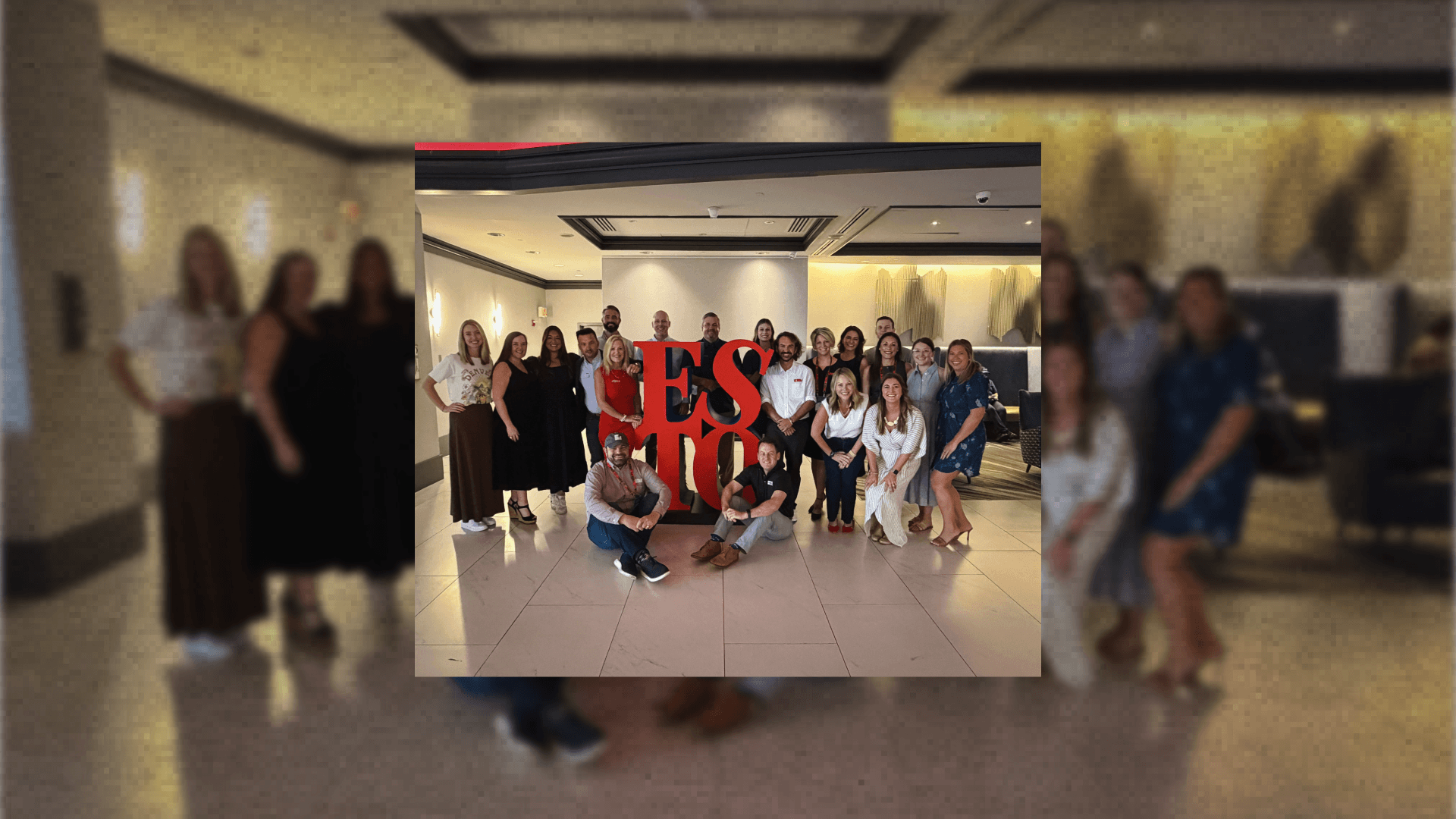
Days earlier, I was attending sessions at U.S. Travel Association’s ESTO 2026 in Philadelphia. The themes were similar. The strongest reasons to travel increasingly come from culture, community, and experiences people want to be part of.
Sometimes it’s as big as the World Cup bringing international visitors into cities across North America. And sometimes it’s as small as a minor league baseball team gathering a community together. It can look like a road trip along Route 66 on its 100th anniversary. And it can look like walking down historical downtowns on the country’s 250th anniversary.
Wherever you look, moments that bring people together are happening all the time. And people can feel that energy. At ESTO, traveler excitement was reported at more than 8 out of 10, with 90% of Americans planning a trip in the next six months.
But beneath those big numbers are interesting challenges for DMOs in 2026 and beyond. It’s clear what people will travel for, but how they are discovering places and why they should feel connected to destination brands are what DMOs should focus on moving forward.
Here’s what that KHM team and I came home thinking about after ESTO 2026.
Follow Culture, Not Calendars
One of our favorite stories from ESTO came from Savannah.
Visit Savannah partnered with LoveShackFancy and Sakes Fifth Avenue on a collection inspired by the city itself. Fashion became a way into Savannah’s story, putting the community in front of people through a brand lens they already knew and loved.
For a long time, tourism marketing has been organized around tourism moments: spring seasonality, shoulder seasons, summer vacations, holiday travel.
But we also know that travelers today don’t plan life like we do a media plan.
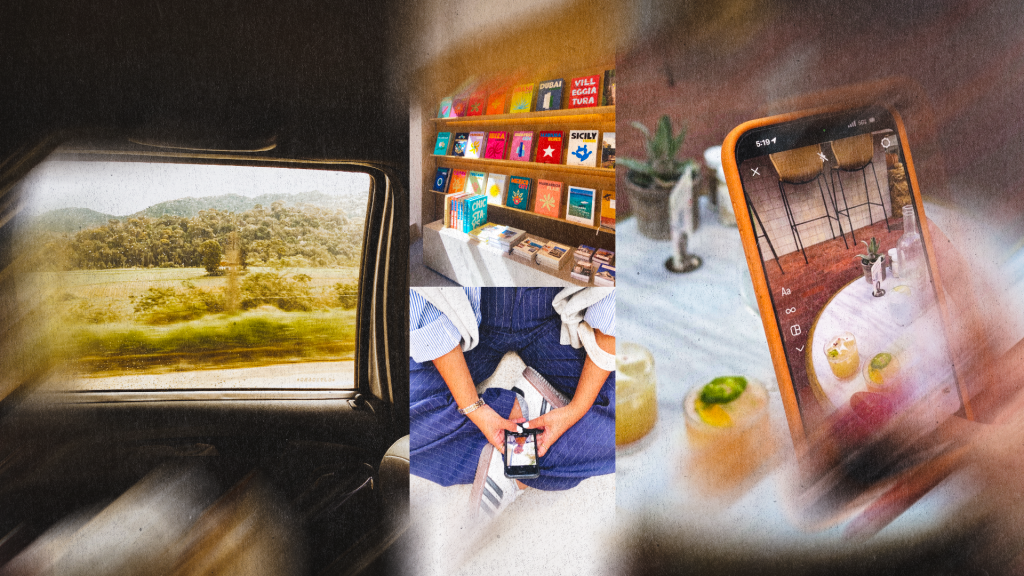
They watch The White Lotus, and start Googling hotels in Thailand. They see Savannah Bananas on TikTok and wonder when the team is coming to their town. They follow a chef and discover a whole new neighborhood. They travel for concerts, marathons, bookstores, food, architecture, sports, sneakers, film locations, and whatever their group chat has been on about all week.
Culture creates reasons to move.
The opportunity for communities is to pay closer attention to where those reasons overlap with something that feels like their own.
AI Is Becoming Another Friend in the Group Chat
Travel planning has always been a social activity. You ask your sister where she stayed. Texted a friend who somehow knows every good restaurant along the East Coast. Sent 37 different TikToks to the group chat. Opened 14 tabs. Went down a Reddit rabbit hole at midnight.
Now AI has joined that conversation.
Longwoods International found that 28% of American travelers used AI for trip planning within the last 6 months, up from 19% in August of 2024. Among those travelers, 54% used it to find attractions and activities, 44% for inspiration and 42% for dining.
Look at what people are asking for.
Things to do. Ideas. Food. Those are questions about experience, not just logistics.
The restaurant that your locals keep promoting. The trail described clearly on an attraction landing page. The neighborhood mentioned in credible editorial coverage. Reviews. Reddit Threads. Local reporting. Creator content. Structured information across the web.
All of those signals help machines understand a community, too.
Which creates a new question for tourism teams: Does the internet really know your community as well as you do?
Increasingly, travelers may meet a place through an answer before they ever even see an ad. Ask AI the same questions travelers would: “Where should I eat if I avoid tourist traps?” “Where do locals go?” Pay attention to what shows up, and where that information comes from. Those gaps are useful places to start in your own content planning.
More Data Has Made Curiosity More Important
Tourism teams know more than they ever have. They have traveler research, attribution studies, dashboards, economic-impact data, social listening, search behavior, AI tools and enough reports to make opening another browser tab feel mildly threatening.
At the same time, ESTO conversations reflected another reality: budgets are often flat while expectations keep climbing. Everyone wants proof, fair enough.
But data is most useful when someone asks an interesting question of it.
Diana Kander’s ESTO keynote explored one of the risks experience creates: once you’ve solved a problem enough times, you can stop questioning whether you’re solving the right one.
Expertise gives us pattern recognition. Curiosity helps us notice when the pattern changed.
Take it with you: Before the next planning cycle, ask your team to identify one assumption you keep carrying forward without examining. Maybe it’s who your visitor is. Which season deserves investment. What people know about you. Why they come. What residents want from tourism. Then challenge that idea to find out if it’s really still true.
Smaller Cities Have a Bigger Opening Than They Think
Another ESTO signal worth watching: domestic demand is especially strong for road trips, national parks and what research often calls “second-tier cities.”
Between us, we’d retire the last phrase if we could. Because travelers increasingly seem less interested in rankings and more interested in finding somewhere worth telling another person about.
There’s a cultural shift underneath this.
The internet made discovery less dependent on a handful of traditional gatekeepers. A restaurant in a smaller community can become nationally known. A creator can put a hiking trail in front of millions. A TV series can make an overlooked place suddenly feel familiar. A local tradition can escape its ZIP code overnight.
And as travelers continue thinking about value, smaller communities can offer something especially compelling: specificity.
The goal should be to get clearer about what makes your corner of the world impossible to confuse with anywhere else.
The local argument over who makes the best version of something.
The detail you’d never find in a stock photo.
Specificity travels remarkably well.
Take it with you: Look at your current marketing and remove the community name. Could the copy belong to 50 other places? Anywhere the answer is yes deserves another pass.
Collaborate. Collaborate. Collaborate.
Sitting in on two KHM-led sessions, one throughline came through clearly: the best ideas get stronger when more of the right people are in the room. Partners. Stakeholders. States. DMOs. Agencies. Peers. Media. Someone has the data you need. Someone else is asking the same question. And often, the fastest path to a better answer starts with sharing what you know.
Brianna Francis, SVP, Brand Strategy, led a panel with Visit Milwaukee’s Claire Hanan, Visit Cincy’s Eileen Osborne, and Visit Austin’s Wesley Lucas on how collaboration can drive Meetings & Convention success—especially during periods of convention center development. The conversation explored how local stakeholders, local and trade media, partners, and sales teams can work together at different stages to build alignment, shape perception, and create momentum.
Camille Ziccardi, SVP, Growth & Strategy, led a second panel with Denver International Airport’s Laura Jackson, Colorado Tourism Office’s Tim Wolfe, and Visit Denver’s Justin Bresler focused on the collective impact airports, cities, and states can create when they stop operating in silos and start planning together.
Take it with you: someone else often has a piece of the puzzle you need. Collaboration helps connect those pieces, align priorities, and create outcomes that no single organization could achieve on its own.
What We’re Carrying Home
Really the most useful thing we heard at ESTO had nothing to do with trends. It was the permission to widen the aperture.
Tourism can learn from fashion. From sports, entertainment, technology, economic development, from the restaurant down the street, from the residents who have watched their community change for 40 years.
And from cultural events like Daisy Chain Fields, where people showed up because of music, identity, community, and purpose gave them a reason to be there together.
Something we say early and often is people rarely travel because someone successfully marketed travel to them. They travel to feel something.
A person. A meal. A game. A story. Something they can’t see at home.
Our job is to stay curious enough to find those reasons. Then help communities make more of them.ng which ones actually move the business forward.